
Likes aren’t leverage (and memorandums aren’t magic)

I’ve lost count of the number of times I’ve watched a post about an issue do well online and still felt that nothing shifted.
You know the feeling. You hit post, you refresh, the likes climb, the comments come in. People say “so important!” “thank you for speaking out!” You screenshot the best ones and forward it to the team and insert it in your report. For a moment, it feels like movement. Then Monday comes. The decision-maker doesn’t blink. The policy doesn’t budge. The harm continues.
I’m not saying social media is useless but we’ve started confusing applause for power. Attention is not the same thing as influence and a strong engagement rate is not the same thing as a strategy. And when we’re stressed or out of ideas, many of us have a default setting. We start a petition. We march to Parliament. We hand over a memorandum of demands. We take a photo. We post it. We go home. I say this with love and self-awareness because I’ve done it. I’ve helped organise it. I’ve written the memorandum. I’ve stood in the sun waiting for someone important to accept it. And then I’ve struggled to remember the last time that ritual, on its own, delivered the change we needed.
The terrain has changed. The attention economy is brutal. Backlash travels faster than facts. Trust is harder to hold. People are tired, and so are we. In that context, doing what we’ve always done because it’s what we know can become a kind of campaigning autopilot.
So what do we do?
Creative campaigning ... means finding a form that makes people feel something, understand and act.
We refresh the toolbox. We stop treating creativity as decoration and start treating it as strategy. Creative campaigning, at its best, doesn’t mean stunt activism. It means finding a form that makes people feel something, understand and act. We need tactics that aren’t just clever, but anchored in strategy and built to make people care.
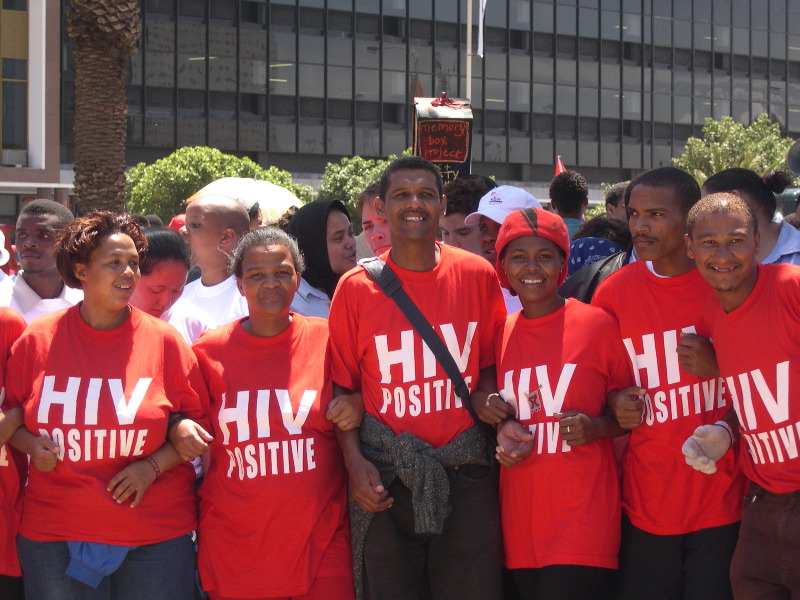 South Africa has shown us what this looks like. The Treatment Action Campaign didn’t just argue for treatment, it made stigma visible and collective. Those iconic “HIV POSITIVE” T-shirts were bold, confrontational and a deeply strategic wearable message that forced a conversation many people wanted to avoid. That’s not “creative” as in artsy. That’s creative as in, this is how we make the invisible impossible to ignore. And it wasn’t just symbolism, it was part of a wider strategy of culture-shift and policy pressure that helped win real changes in access to treatment and the everyday lives of people living with HIV.
📷 Photo from TAC march on Parliament, February 2003 - photo from Treatment Action Campaign website
Rhodes Must Fall didn’t just issue another statement about transformation, it turned a symbol into a pressure point. By centring the Rhodes statue at UCT, the movement made something structural and easy to ignore suddenly concrete and visible. One provocative action cracked open a national argument about power, belonging, and whose history gets honoured. And then, importantly, the movement kept the pressure on through teach-ins, mass meetings, creative interventions, and relentless narrative work.
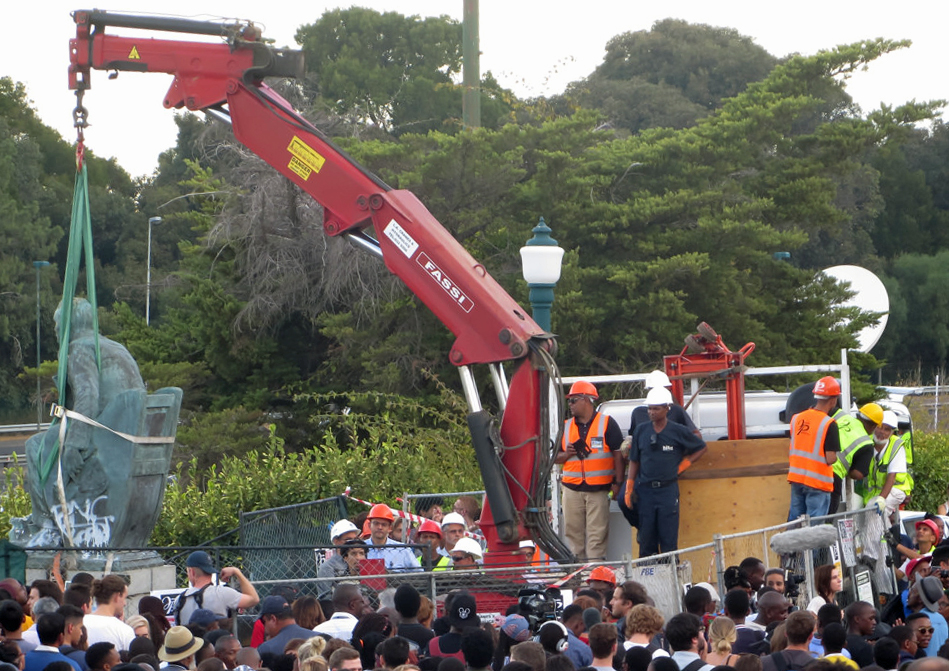
📷 Tony Carr - Goodbye Cecil John Rhodes20
Different issues. Different tactics. Same underlying lesson: they didn’t just broadcast a message. They designed an experience that made people care and made power respond.
The other lesson is one we don’t always like hearing is that the best campaigning ideas rarely come from inside our sector bubble. They come from comedians, brand strategists, faith leaders, street artists, sports fans, aunties at funerals, and the informal networks that move meaning around this country. If we want campaigns that cut through, we have to look beyond the usual playbook and borrow shamelessly.
That doesn’t mean abandoning marches, legal strategies, or policy work. It means choosing them intentionally and combining them with tactics that fit the current moment. I’m writing this because I’m grappling with it too. I want us to build social and environmental justice campaigns that move hearts and shift power and I want our nonprofits to feel resourced, not trapped in repetition.
So maybe the question isn’t “should we march?” but “what else belongs in the toolbox now?” What would change if we treated campaigns as something we prototype, test, and refine, rather than something we repeat because it’s familiar? In urgent times, creativity isn’t a luxury. It’s how we adapt, connect, and keep moving.
More in this section:
Ishtar Lakhani

Related articles
Profits Beyond Profit: The Returns on Investment in Nonprofit Support

Money-metric poverty: Most South Africans can't afford basic foods

Does your nonprofit suffer from “Bright, shiny object syndrome”?
